
5005 Rockside Road Ste. 600
Cleveland Ohio 44131
(216) 573-3712
FREE CONSULTATIONS






CONTACT US
CLIENTS’ CHOICE AWARD
Success Stories
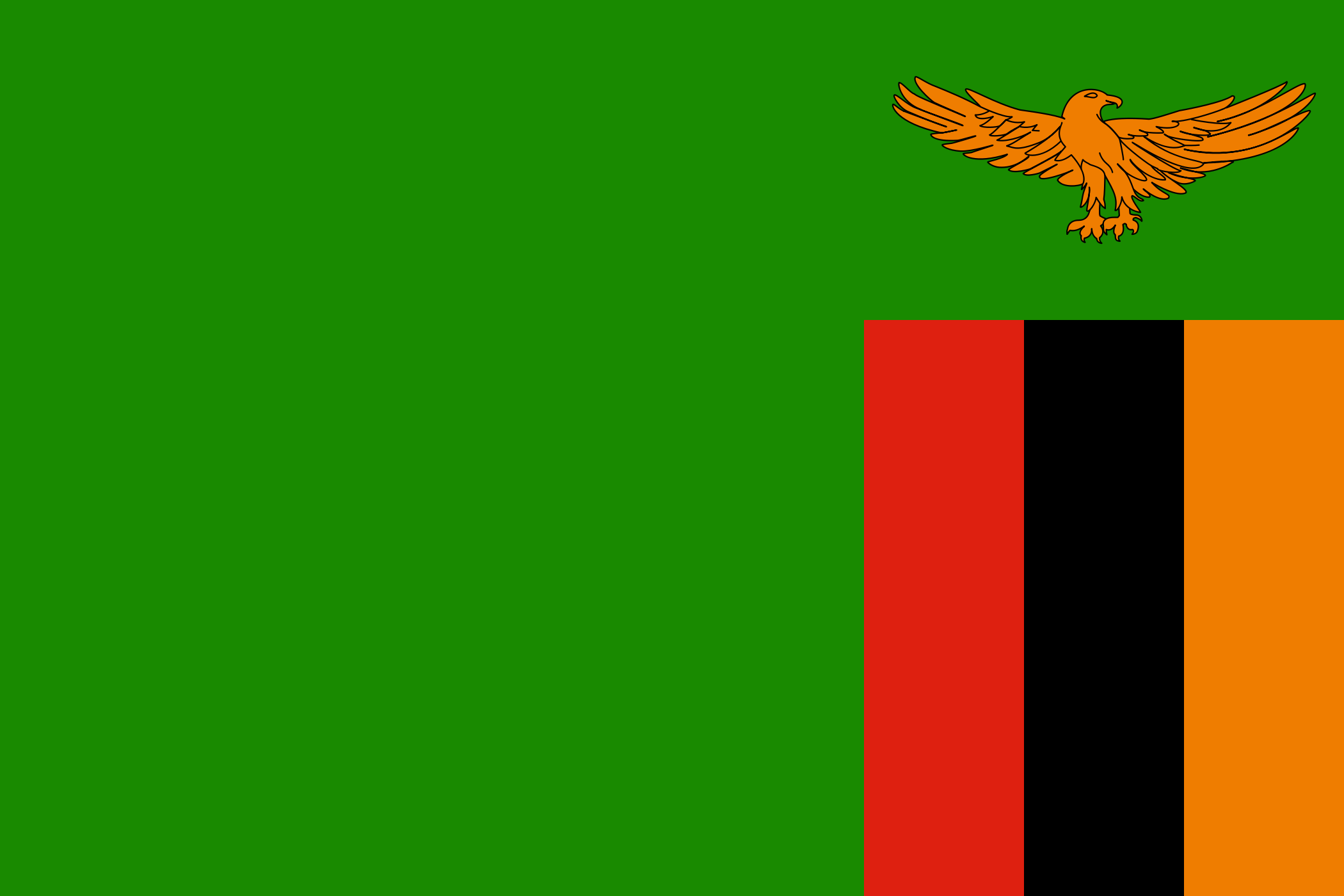
CASE: Marriage-Based Adjustment of Status
CLIENT: Zambian
LOCATION: Cheverly, MD
Our client came to the United States in June 2001 with a J-1 Exchange Visitor visa from Zambia. His J-1 visa was not subject to the two-year foreign residency requirement, so he could apply for adjustment of status in the United States without a waiver. After his J-1 program was completed, he remained in the United States.
He married a U.S. Citizen in February 2012 and retained our office on January 19, 2018 for his adjustment of status application. Our firm prepared and filed the I-130 Petition and Adjustment of Status Application on February 2, 2018. Everything went smoothly and the receipt notices, the fingerprint appointment, and the work permit all came on time. Prior to the interview, we thoroughly prepared our client via conference calls. On November 19, 2018, our client was interviewed at the Baltimore, Maryland USCIS Field Office.
Though their interview went well, our client’s case remained pending without any Request for Evidence. Nevertheless, on December 30, 2019, the USCIS issued Request for Evidence for our client to submit his new I-693 medical record. Our client filed his response to RFE on January 7, 2020. Eventually, on January 14, 2020, his green card application was approved.
{ 0 comments }

CASE: J-1 Waiver (No Objection Statement)
NATIONALITY: Philippines
LOCATION: Cherry Hill, NJ
Our client came from the Philippines on a J-1 in January 2018 as an exchange student. According to her DS-2019, she was subject to the two-year foreign residency requirement. After her authorized stay period expired, she remained in the United States.
In December 2018, she got married to her U.S. citizen husband and later on consulted with our firm for her J-1 visa waiver prior to applying for adjustment of status. If someone is subject to the two-year foreign residency requirement, he or she cannot get a green card in the United States until he or she fulfills the requirement or obtains a waiver.
Upon retention, our office promptly prepared a waiver request through a No Objection Statement (NOS) from the Philippine Embassy in the United States and eventually the EVP in the Philippines.
On January 30, 2019, the J-1 Waiver Application (Form DS-3035) was filed to the Department of State. On September 11, 2019, our office sent our client’s materials to the Waiver Review Committee in Manila, Philippines. Then, the Waiver Review Committee forwarded the materials and favorable recommendation to the Philippine Embassy in D.C. who eventually issued a No Objection Statement.
On December 18, 2019, the Waiver Review Division issued a favorable recommendation based on the No Objection statement. Eventually, on January 13, 2020, the USCIS issued an I-612 approval notice for the waiver. Now, our client can file for her adjustment status application along with her U.S. Citizen husband’s I-130 petition for her.
{ 0 comments }

CASE: Adjustment of Status (F-4 I-130)
CLIENT: British
LOCATION: Brentwood, CA
Our client came to the United States from the United Kingdom as a visa waiver visitor in April 2019. She came to the United States to visit her husband who got his green card based on his U.S. citizen sibling’s petition. Thus, our client was also eligible to file an adjustment of status application as a derivative beneficiary of the approved I-130 petition for her husband.
She contacted our office for the eligibility of her adjustment status, and after the consultation, she retained our office on April 9, 2019 for her green card application. Our firm prepared and filed the Adjustment of Status Application on April 18, 2019. Everything went smoothly and the receipt notices, fingerprint appointment, and work permits all came on time. Prior to the interview, we thoroughly prepared our clients via conference calls. On January 17, 2020, our client was interviewed at Fresno, California USCIS office. Eventually, on the same day of the interview, her green card application was approved.
{ 0 comments }

CASE: I-751 / Waiver of the Joint Waiver Requirement
APPLICANT: Nigerian
LOCATION: Elyria, OH
Our client contacted our office in October of 2018 regarding his potential I-751 filing. He is from Nigeria and married a U.S. citizen in February 2017. Through his marriage with a U.S. citizen spouse, he obtained a 2-year conditional green card in October of 2017. Therefore, his conditional residency terminated in October 2019.
Unfortunately, during their marriage, our client and his ex-wife went through struggles. Therefore, they lived separately and their divorce was finalized in October 2018. Thus, our client could not file I-751 application jointly with his ex-wife. After the consultation, we advised that we can help him file the I-751 application with a waiver of the joint filing requirement. We requested a waiver because our client entered into the marriage in good faith, but the marriage was terminated through divorce or annulment before they can file a joint petition.
On October 31, 2018, our office filed the I-751 application with various supporting documents to demonstrate our client’s bona fide marriage with his ex-wife. Once the application was filed, the fingerprint notice was issued two weeks later. However, the USCIS issued the Request for Evidence (RFE) to demonstrate the bona fideness of our client’s marriage with his ex-wife. We filed an extensive Response to RFE to the USCIS with more bona fide marital documents on November 20, 2019.
Eventually, on January 8, 2020, the USCIS approved our request for the removal of conditions on his permanent resident status without even an interview. Now, he has his ten-year green card.
{ 0 comments }
CASE: Marriage-Based Adjustment of Status
CLIENT: Nigerian
LOCATION: Garfield Heights, OH
Our client came to the United States from Nigeria on an F-1 student’s visa in January 2015. He married a U.S. Citizen in August 2019 and retained our office on August 30, 2019 for his green card application. Our firm prepared and filed the I-130 Petition and I-485 Adjustment of Status Application on October 7, 2019. Everything went smoothly and the receipt notices, fingerprint appointment, and work permits all came on time. Prior to the interview, we thoroughly prepared our clients as well. On January 16, 2020, our client was interviewed at the Cleveland, Ohio USCIS office. Attorney Sung Hee (Glen) Yu, Esq. from our office accompanied our clients as well. Eventually, on the same day of the interview, his green card application was approved.
{ 0 comments }

CASE: I-751
APPLICANT: Indian
LOCATION: Lancaster, SC
Our client contacted our office in May of 2019 regarding his I-751 application.
He is from India and he married a U.S. citizen in December 2016. Through his marriage, he obtained a 2-year conditional green card in June of 2017. His conditional residency terminated in June 2019.
To comply with immigration requirements, our client and his wife had to file an I-751 Joint Petition to Remove Conditions. He retained our office on May 29, 2019, and our office prepared an I-751 application for our client with other supplemental exhibits.
On May 31, 2019, our office filed an I-751 application to the USCIS with multiple affidavits from his friends and family members, joint bank statements, joint taxes, utility bills, insurance policies, and photos of our client and his wife to demonstrate the bona fideness of their marriage.
Once the application was filed, the fingerprint notice was issued two weeks later. There was no RFE issuance or interview request for our client’s I-751 application. As a result, on January 9, 2020, the USCIS approved our client’s I-751 application and our client received his 10-year green card which removed the conditions.
{ 0 comments }

CASE: I-751
APPLICANT: Estonian
LOCATION: Girard, OH
Our client contacted our office in January of 2019 regarding his I-751 application.
He is from Estonia and he married a U.S. citizen in January 2017. Through his marriage, he obtained a 2-year conditional green card in April of 2017. His conditional residency terminated in April 2019.
To comply with immigration requirements, our client and his wife had to file an I-751 Joint Petition to Remove Conditions. He retained our office on January 16, 2019, and our office prepared an I-751 application for our client with other supplemental exhibits.
On February 5, 2019, our office filed an I-751 application to the USCIS with multiple affidavits from his friends and family members, joint bank statements, joint taxes, utility bills, insurance policies, and photos of our client and his wife to demonstrate the bona fideness of their marriage.
Once the application was filed, the fingerprint notice was issued two weeks later. There was no RFE issuance or interview request for our client’s I-751 application. As a result, on January 8, 2020, the USCIS approved our client’s I-751 application and our client received his 10-year green card which removed the conditions.
{ 0 comments }

CASE: Marriage-Based Green Card (Same Sex Marriage Case)
CLIENT: Filipino
LOCATION: San Jose, CA
Our client came to the United States from the Philippines with a J-1 exchange visitor’s visa. With our firm’s legal assistance, he got his J-1 waiver for his two-year foreign residency requirement. In June 2018, he married his U.S. Citizen same-sex spouse in Idaho.
On June 26, 2013, the U.S. Supreme Court held that restricting U.S. federal interpretation of “marriage” and “spouse” to apply only to heterosexual unions, by Section 3 of the defense of Marriage Act (DOMA), is unconstitutional under the Due Process Clause of the Fifth Amendment. United States v. Windsor, 570 U.S. ___ (2013). After Windsor decision, the USCIS implemented a new policy that the USCIS officer must review immigration via petitions filed on behalf of a same-sex spouse in the same manner as those filed on behalf of an opposite-sex spouse. As long as a same-sex couple is married in a U.S. state that recognizes same-sex marriage, their marriage shall be considered a valid marriage under the immigration law.
They married in Idaho where the same-sex marriage is recognized. Our client contacted our office and retained us in January 2019 for his I-130 petition and I-485 adjustment of status application. Our firm prepared and filed the I-130 petition and I-485 adjustment of status application, together with all necessary supporting documents, on February 1, 2019. Everything went smoothly and the receipt notices, fingerprint appointment, and work permits all came on time.
Prior to the interview, we thoroughly prepared our clients via conference calls. On January 13, 2020, our client was interviewed at the Santa Clara, California USCIS office. The interview went well and his green card application was approved on the same day.
{ 0 comments }
CASE: I-751
APPLICANT: Nigerian
LOCATION: Cleveland, OH
Our client contacted our office in August of 2018 regarding his I-751 application.
He is from Nigeria and he married a U.S. citizen in March 2016. Through his marriage, he obtained a 2-year conditional green card in January of 2017. His conditional residency terminated in January 2019.
To comply with immigration requirements, our client and his wife had to file an I-751 Joint Petition to Remove Conditions. He retained our office on August 22, 2018, and our office prepared an I-751 application for our client with other supplemental exhibits.
On October 16, 2018, our office filed an I-751 application to the USCIS with multiple affidavits from his friends and family members, joint bank statements, joint taxes, utility bills, insurance policies, and photos of our client and his wife to demonstrate the bona fideness of their marriage.
Once the application was filed, the fingerprint notice was issued two weeks later. However, the USCIS issued the Request for Evidence (RFE) to demonstrate the bona fideness of our client’s marriage with his wife. We filed an extensive Response to RFE to the USCIS with more bona fide marital documents on November 19, 2019.
As a result, on January 6, 2020, the USCIS approved our client’s I-751 application and our client received his 10-year green card which removed the conditions.
{ 0 comments }

CASE: I-751
APPLICANT: South African
LOCATION: Fort Edward, NY
Our client contacted our office in August of 2018 regarding her I-751 application.
She is from South Africa and she married a U.S. citizen in February 2016. Through her marriage, she obtained a 2-year conditional green card in January of 2017. Her conditional residency terminated in January 2019.
To comply with immigration requirements, our client and her husband had to file an I-751 Joint Petition to Remove Conditions. She retained our office again on August 28, 2018, and our office prepared an I-751 application for our client with other supplemental exhibits.
On October 18, 2018, our office filed an I-751 application to the USCIS with multiple affidavits from her friends and family members, joint bank statements, joint taxes, utility bills, insurance policies, and photos of our client and her husband to demonstrate the bona fideness of their marriage.
Once the application was filed, the fingerprint notice was issued two weeks later. However, the USCIS issued the Request for Evidence (RFE) to demonstrate the bona fideness of our client’s marriage with her husband. We filed an extensive Response to RFE to the USCIS with more bona fide marital documents on December 2, 2019.
As a result, on January 6, 2020, the USCIS approved our client’s I-751 application and our client received her 10-year green card which removed the conditions.
{ 0 comments }
Connect With Us


FREE CONSULTATIONS
Approvals by State
- Ohio
- Alabama
- Mississippi
- North Dakota
- Virgin Islands
- Iowa
- Virgin Islands
- Maine
- Idaho
- South Dakota
- Hawaii
- DC
- Minnesota
- North Carolina
- Saipan
- Kansas
- Colorado
- South Carolina
- Montana
- Kentucky
- Wyoming
- Nevada
- Arkansas
- New York
- California
- Texas
- Washington
- Virginia
- Arizona
- Nebraska
- Maryland
- Illinois
- Pennsylvania
- New Jersey
- Georgia
- Connecticut
- Missouri
- Wisconsin
- Indiana
- Louisiana
- Florida
- Tennessee
- Oklahoma
- Michigan
- Massachusetts
- New Mexico
Country Approvals
- Philippines
- Ecuador
- Gabon
- Bulgaria
- Yemen
- Netherlands
- Zambia
- Morocco
- Iraq
- Burkina Faso
- Turkey
- United Kingdom
- Venezuela
- Japan
- Egypt
- Sierra Leone
- Australia
- Lebanon
- Thailand
- Kyrgyzstan
- Saint Lucia
- Angola
- Ireland
- Macedonia
- Hong Kong
- Algeria
- Belgium
- UAE
- Serbia
- China
- South Korea
- India
- Kenya
- Indonesia
- Ghana
- Pakistan
- Nepal
- Britain
- Jamaica
- Canada
- Senegal
- Benin
- Colombia
- Moldova
- Jordan
- Romania
- Malaysia
- Guatemala
- Saudi Arabia
- Cameroon
- Africa
- Mexico
- Ethiopia
- Germany
- Ukraine
- Sweden
- Vietnam
- Costa Rica
- Cambodia
- El Salvador
- Nigeria
- Hungary
- Singapore
- Argentina
- Brazil
- Albania
- Sri Lanka
- Russia
- Zimbabwe
- Bangladesh
- Peru
- Guyana
- Iran
- Italy
- Suriname
- Honduras
- Gambia
- Cote D’Ivoire
- Hubei
- Grenada
- Spain
- Slovakia
- France
- Taiwan
- Tunisia
- Cuba
- Croatia
- Bahamas